
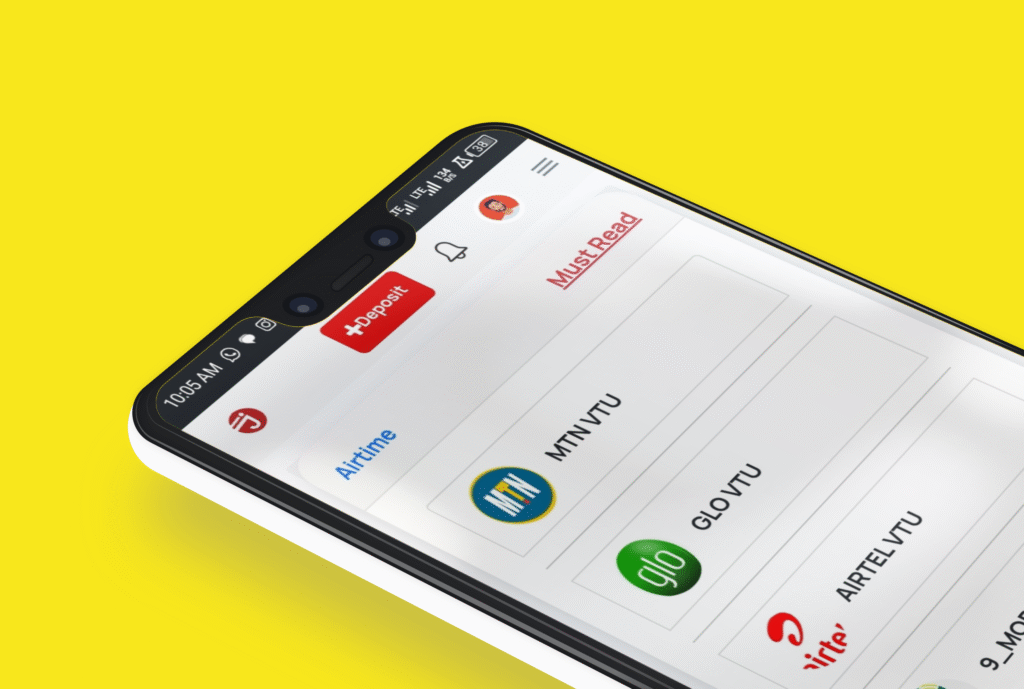
People around you buy airtime and data every day. What if you could build a business by helping them stay connected and earning a profit from each sale?
You do not need to be a tech expert or own a physical shop to get started. This guide explains how to sell airtime and data online in Nigeria, how the business works, what you need to start and how to grow from a beginner into a business owner.
Quick Summary
To sell airtime and data online in Nigeria, you need access to a VTU platform, money to fund your transaction wallet and customers who want to buy. You earn when the difference between your selling price and your total cost leaves you with a profit.
You can start as a reseller on an existing platform or get your own branded website. Reselling is a simple way to learn the business, while owning a platform gives you more control over your brand, pricing and customer experience.
If you want to run your own business, Hostlinko offers a VTU and Fintech Solution for people who want to operate an airtime and data platform in Nigeria. Review the available package, setup requirements and costs before deciding.
What Does It Mean to Sell Airtime and Data Online?
VTU means Virtual Top-Up. In simple terms, it allows people to buy airtime and data electronically instead of using physical recharge cards.
As a seller, you use a platform to process customers’ purchases. A customer pays you, you submit the order through your platform and the airtime or data is delivered to the customer’s phone when the transaction succeeds.
You may earn a commission or buy a service at a discounted rate and sell it at a price that leaves you with a margin. Your actual profit depends on the provider’s price, your selling price, transaction costs and any other expenses.
You can sell directly to customers or allow other sellers to use your platform if it supports reseller accounts. This gives you different ways to grow, depending on the features your platform provides and the demand you can attract.

Why Consider This Business in Nigeria?
Airtime and data are everyday needs for many Nigerians. People use them to communicate, study, work, browse the internet and run businesses. That makes airtime and data reselling a business worth considering, provided you can compete on price, convenience and service.
- Regular customer needs. Customers may return when they need more airtime or data.
- A small starting point. You can begin by reselling through an existing platform instead of building your own immediately.
- Online sales. You can take orders through your website, social media or messaging apps, depending on how you operate.
- Room to expand. You may add bill payments and other supported digital services as your customer base grows.
- Different ways to grow. You can keep selling directly to customers or explore reseller accounts if your platform supports them.
However, demand alone does not guarantee profit. You still need competitive pricing, a reliable service provider, enough working capital and good customer support. The goal is to build a business that customers have a reason to use repeatedly.
What You Can Sell
A VTU platform may support more than airtime and data. Depending on the services available from your provider, you could offer products such as:
- Airtime. Recharge services for supported networks such as MTN, Airtel, Glo and 9mobile, subject to current availability.
- Data bundles. Data plans for customers who need internet access for browsing, school, work and entertainment.
- Cable TV subscriptions. Supported subscription payments for services such as DStv, GOtv and StarTimes.
- Electricity payments. Supported electricity bill payments and prepaid meter tokens.
- Exam pins. Available examination products, such as supported WAEC, NECO or JAMB services.
Before advertising any product, confirm that your platform supports it and check the price, commission, transaction process and terms. Adding more products can create more sales opportunities, but it does not automatically mean higher profit.
Two Ways to Sell: Reseller or Owner
You can enter the airtime and data business in two main ways. The right choice depends on your budget, experience and long-term plans.
Option 1: Start as a Reseller
As a reseller, you use an existing company’s platform to sell airtime and data. You create an account, fund your wallet and process customer orders through the service.
This can be a practical way to learn how the business works without paying to set up your own branded platform. You can test customer demand, learn how to handle orders and understand which products people buy most often.
The trade-off is that you work within another provider’s rules, pricing structure and platform features. You may also have limited control over the customer experience and branding.
Option 2: Own Your Branded Platform
With your own branded platform, customers can access your business through a website or other supported interface under your brand. Depending on the solution you choose, you may have more control over your business presentation, selling prices and customer accounts.
You may also be able to create reseller accounts, allowing other sellers to transact through your platform if that feature is included. Any income from reseller activity depends on your margins, their transaction volume and the costs of running the service.
Owning a platform gives you more control, but it also comes with responsibilities. You need to consider setup costs, hosting, security, transaction funding, customer support, maintenance and how you will attract buyers.
If you are still learning, starting as a reseller may be sensible. If you have validated customer demand and want to build a distinct brand, compare the cost and features of owning a platform before investing.
How You Make Money
Your income depends on the difference between what a transaction costs you and what the customer pays. Here are the main ways a VTU business may earn.
1. Profit from Direct Sales
You may receive a discounted rate or commission when processing airtime and data orders. If you charge the customer more than your total transaction cost, the difference is your gross profit.
For example, if a transaction costs your business ₦980 and the customer pays ₦1,000, your gross profit is ₦20 before other expenses. This is only an illustration, not a promise of the margin available on any particular product.
2. Earnings from Reseller Transactions
If your platform supports reseller accounts, you may earn a margin on transactions processed by those sellers. Your earnings depend on the pricing structure, the number of successful transactions and the costs attached to each order.
3. Other Supported Digital Services
Bill payments, cable TV subscriptions and examination products may provide additional sales opportunities when they are supported by your platform. Check the actual margin on each service before deciding which products to promote.
Remember that sales revenue is not the same as profit. You must account for transaction charges, platform costs, support expenses, failed or reversed transactions and other operating costs to understand what your business truly earns.
How Much Do You Need to Start?

The amount you need depends on whether you want to resell through an existing platform or operate your own branded website.
Starting as a Reseller
You generally need a phone or computer, internet access, an account with a suitable provider and enough money in your wallet to process orders. You may be able to start with a few thousand naira, depending on the provider’s requirements and the size of the transactions you expect.
Remember that the money in your transaction wallet is working capital, not your profit. You need to manage it carefully so you can continue fulfilling orders.
Owning Your Own Platform
Owning a branded platform may require a setup payment, hosting, a domain name, service-provider integration and money to fund transactions. The exact requirements depend on the solution and package you choose.
Hostlinko offers a VTU and Fintech Solution for people who want to run their own airtime and data business. Check the current package details, what is included, any ongoing charges and the support provided before making a payment.
Before you start, prepare a simple budget that covers setup, working capital, customer acquisition and ongoing operating expenses. This helps you choose an option you can afford without relying on sales that have not happened yet.
How to Start, Step by Step
Here is a practical way to get started with selling airtime and data online in Nigeria.
- Identify your potential customers. Start with people you can reach, such as friends, classmates, colleagues, neighbours or customers who already visit your shop.
- Choose how you want to operate. Decide whether to begin as a reseller or invest in your own branded platform.
- Compare providers and platforms. Check available networks, data plans, transaction success rates, pricing, support and any applicable fees.
- Set up your account or platform. Follow the provider’s onboarding instructions and complete any required verification.
- Fund your transaction wallet. Start with working capital that matches your budget and expected order volume.
- Set your selling prices. Calculate your costs first, then choose prices that are competitive and leave a reasonable margin.
- Promote your service and fulfil orders carefully. Explain what you offer, confirm customer details before submitting orders and check transaction statuses.
- Review your results and grow gradually. Track sales, costs, profit and customer feedback. Add products or reseller accounts when the numbers make sense.
You may be able to make your first sale quickly, but building a dependable business takes time. Focus on reliable service, accurate records and attracting customers who return.
Choosing the Right Hosting for Your Platform

If you plan to own a VTU website, the hosting and technical setup matter. Your platform needs to handle customer requests, connect to the services that process transactions and protect important account information.
Before choosing a hosting plan, confirm that it supports the platform’s actual technical requirements. Depending on the software, this may include a particular programming language, database, background processes or external service connections. Do not assume every low-cost hosting plan can run every VTU solution.
Security is also important because customers may use the platform to make payments and manage account balances. Look for appropriate SSL protection, regular backups, access controls, security updates and a clear process for resolving transaction issues.
Hostlinko offers a VTU and Fintech Solution alongside hosting options for customers setting up their business. Ask the team to confirm the technical requirements, hosting arrangement, security features and what support is included in the package you choose.
Getting your platform and hosting through one provider may simplify setup and support. Still, review the package details so you understand what is included and which responsibilities remain yours.
Examples of How Nigerians Could Run This Business
The following examples are illustrative scenarios, not verified customer case studies. They show how different people could approach the business.
A Corps Member Selling Through WhatsApp
Imagine a corps member who has friends and contacts on WhatsApp. She could start by offering airtime and data to people who already know her, using an existing VTU platform.
By recording each sale and checking which products customers request most often, she could learn whether there is enough demand to expand. If her customer base grows, she could compare the cost of getting her own branded platform.
A Phone Shop Owner in Aba
A phone accessories seller may already have customers visiting to buy chargers, cases and other items. Some of those customers may also need airtime or data.
The shop owner could add VTU services to the existing business, making it more convenient for customers to buy several things in one place. The owner would need to compare service costs and margins to make sure the extra sales are worthwhile.
For more ideas, read how to make money from a data reselling business.
A Student in Nsukka
A student could offer data to classmates who regularly need internet access for research, communication and online learning. The student might begin with a reseller account and promote the service within their existing network.
As sales increase, the student could reinvest some of the actual profit into working capital. Keeping a record of sales and expenses would help determine whether the side business is worth expanding.
Common Mistakes to Avoid
A few common mistakes can reduce your profit or make customers lose confidence in your business. Watch out for these problems.
- Expanding too early. Do not pay for a bigger platform before you understand your customers, costs and likely demand.
- Running out of working capital. Keep enough money available to fulfil orders, but avoid tying up more cash than your business can afford.
- Setting prices without calculating costs. A high number of sales can still leave you with little profit if your margins are too small.
- Ignoring transaction status. Check whether an order succeeded, failed or is pending before attempting it again. This can help prevent duplicate orders and disputes.
- Choosing an unsuitable platform or host. Confirm the software requirements, security measures, support arrangements and full costs before committing.
- Failing to keep records. Track sales, costs, wallet funding, refunds and profit so you know how the business is performing.
Reliable service and careful money management are more useful than rushing to expand. Build a system you can manage before taking on more customers or expenses.
Simple Tips to Grow Your Business
Once you have started making sales, these practical steps can help you improve your service and build customer trust.
- Start with people you can reach. Let friends, colleagues, neighbours or existing shop customers know which services you offer.
- Make every transaction count. Confirm the network, phone number, plan and amount before submitting an order.
- Be honest about delays. If a transaction is pending, check its status and explain the situation rather than promising a result you cannot confirm.
- Offer products customers actually need. Consider adding supported bill payments or other digital services when there is genuine demand.
- Track your real profit. Record your costs and earnings regularly instead of judging success by sales volume alone.
- Consider resellers when you are ready. If your platform supports reseller accounts, establish clear pricing, rules and support before inviting other sellers.
- Reinvest carefully. Use part of your actual profit to support working capital or useful improvements while keeping business and personal money separate.
Simple Dictionary of VTU Words
You may come across these terms when setting up your business. Here is what they mean in plain English.
- VTU
- Virtual Top-Up. It refers to electronically delivering services such as airtime and data.
- Wallet
- The balance you use to pay for transactions on a platform. It is working capital, not automatically your profit.
- Reseller
- A person who sells products or services through another provider’s platform.
- Margin
- The difference between your selling price and the relevant cost of providing the service, before any other expenses not already included.
- Platform
- The website or app you use to manage and process sales.
- Hosting
- A service that makes your website available online and provides the resources it needs to operate.
Understanding these basic terms will help you compare platforms, calculate your costs and make better business decisions.

How Hostlinko Can Help
If you want to move beyond reselling and operate your own branded airtime and data business, Hostlinko offers a VTU and Fintech Solution to help you get started.
- Your own branded platform. A website for offering supported airtime, data and other digital services.
- Setup assistance. Support for getting started without having to manage every technical detail yourself.
- Hosting options. Hosting arrangements suited to the platform, subject to the package and technical requirements.
- Naira pricing options. Review the available package prices and payment arrangements in naira.
- Support. Contact the team to ask about setup, platform features and the help available after purchase.
Before choosing a package, confirm the one-time setup cost, any recurring charges, what features are included, how transaction services are connected and what you will need to manage yourself.
Want to find out more? Visit the Hostlinko website or chat with the team to discuss your needs before making a decision.
Key Takeaways
- Selling airtime and data online can be a business opportunity because customers regularly need these services.
- You can begin as a reseller or invest in your own branded platform.
- Your actual profit depends on your transaction costs, selling prices and operating expenses.
- Good customer service, accurate records and enough working capital help you manage the business.
- If you want your own platform, compare its setup costs, technical requirements, hosting and support before paying.
- Hostlinko offers a VTU and Fintech Solution you can explore when considering your own branded platform.
Frequently Asked Questions
How do I start selling airtime and data online in Nigeria?
Choose a VTU provider or platform, create an account, fund your transaction wallet and start offering supported services to customers. You can begin as a reseller or compare the cost of owning a branded platform.
Is selling airtime and data profitable?
It can be profitable, but income is not guaranteed. Your results depend on transaction margins, sales volume, operating costs, competition and how well you manage the business.
Do I need my own platform to start?
No. You can begin by reselling through an existing platform. If you later want more control over your branding and business setup, you can compare the cost and features of owning your own platform.
How much money do I need to start?
The amount depends on the provider and your business model. A reseller may need money for transaction funding and basic operating expenses. Owning a platform may also involve setup, hosting and other costs. Check the current fees before starting.
Do I need to be a tech expert?
No. You can start as a reseller without building a website yourself. If you choose to own a platform, look for a solution that offers suitable setup assistance and support, and make sure you understand how to manage orders and customers.
What hosting does a VTU platform need?
It depends on the software. Confirm the required programming language, database, background processes, security features and connections to transaction providers. Ask your platform provider which hosting arrangement is suitable before purchasing a plan.
Can I sell products besides airtime and data?
Some platforms support additional services, such as cable TV subscriptions, electricity payments and examination products. Confirm which services are available on your chosen platform and check their prices and terms.
Can I earn from other resellers?
If your platform supports reseller accounts, you may be able to earn a margin on their transactions. Your earnings depend on the platform’s pricing structure, successful transaction volume and associated costs.
Conclusion
Selling airtime and data online is one way to build a digital services business in Nigeria. You can start small, learn how to handle orders and find out what customers need before deciding whether to expand.
The important thing is to understand your costs, set sensible prices, manage your working capital and provide reliable customer service. Do not judge your progress by sales alone; keep track of the profit your business actually makes.
If you want to operate under your own brand, compare the features and costs of a suitable VTU platform before investing. The right setup should fit your budget, your experience and the customers you plan to serve.
Ready to explore your options? Visit the Hostlinko VTU and Fintech Solution or chat with the team to ask questions about setting up your own airtime and data business.
